Saturday, March 12, 2011

Sachin Scores 48th ODI ton


Fun & Info @ Fropki.com

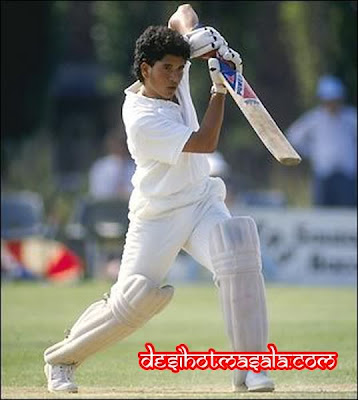
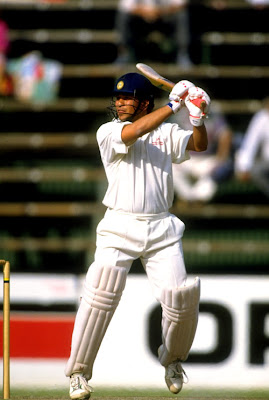
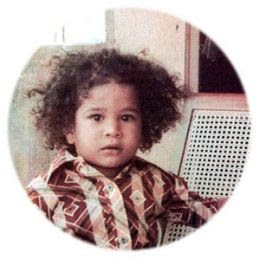
Sachin Ramesh Tendulkar, the most famous cricketer ever was born on April 24, 1973 in Mumbai.

http://groups.yahoo.com/group/babes_in_blue/" rel="nofollow" target="_blank">Fun & Info @ Fropki.com 

Sachin With His Father Ramesh Tendulkarhttp://groups.yahoo.com/group/babes_in_blue/" rel="nofollow" target="_blank">Fun & Info @ Fropki.com
 

Sachin Cricket Career http://groups.yahoo.com/group/babes_in_blue/" rel="nofollow" target="_blank">Fun & Info @ Fropki.com
 

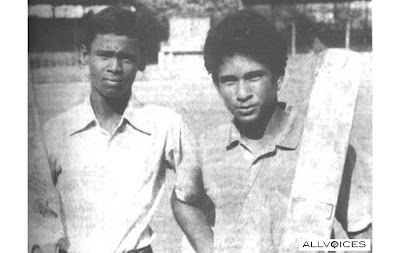
Sachin And Kambli During Practicehttp://groups.yahoo.com/group/babes_in_blue/" rel="nofollow" target="_blank">Fun & Info @ Fropki.com
--------------------------

http://groups.yahoo.com/group/babes_in_blue/" rel="nofollow" target="_blank">Fun & Info @ Fropki.com

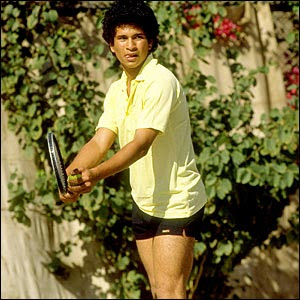
His childhood idol in sport is John McEnroe, and this early photo reveals his interest in tennis.


-------------------------------------------
Fun & Info @ Fropki.com


Sachin During InterSchool Match http://groups.yahoo.com/group/babes_in_blue/" rel="nofollow" target="_blank">Fun & Info @ Fropki.com

Sachin With Ajit Ranade http://groups.yahoo.com/group/babes_in_blue/" rel="nofollow" target="_blank">Fun & Info @ Fropki.com
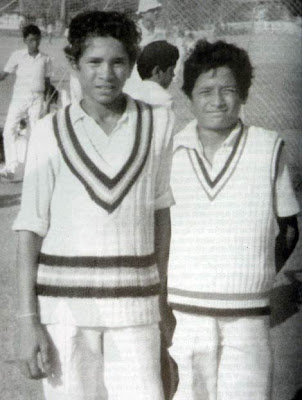

Match Against Don Bosco http://groups.yahoo.com/group/babes_in_blue/" rel="nofollow" target="_blank">Fun & Info @ Fropki.com


Coach Achrekar And Sachinhttp://groups.yahoo.com/group/babes_in_blue/" rel="nofollow" target="_blank">Fun & Info @ Fropki.com


sachin's century during interschool matcheshttp://groups.yahoo.com/group/babes_in_blue/" rel="nofollow" target="_blank">Fun & Info @ Fropki.com


Sachin At the Age Of 12 Fun & Info @ Fropki.com


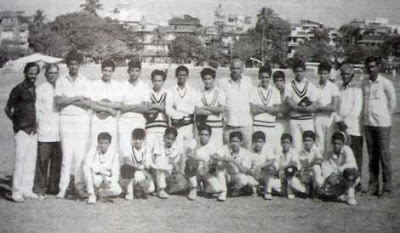
Guyles Shield Winning team http://groups.yahoo.com/group/babes_in_blue/" rel="nofollow" target="_blank">Fun & Info @ Fropki.com


sachin holding palm beach cuphttp://groups.yahoo.com/group/babes_in_blue/" rel="nofollow" target="_blank">Fun & Info @ Fropki.com


sandip patil giving prize to Sachin Fun & Info @ Fropki.com


Sachin With Sports Star Trophy http://groups.yahoo.com/group/babes_in_blue/" rel="nofollow" target="_blank">Fun & Info @ Fropki.com


1987 Sports Star Trophy Winning Teamhttp://groups.yahoo.com/group/babes_in_blue/" rel="nofollow" target="_blank">Fun & Info @ Fropki.com
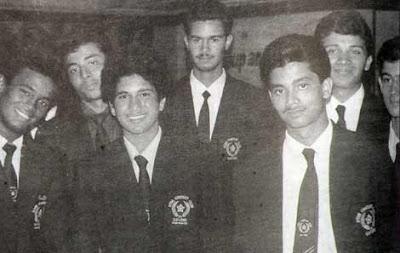
1987, Place : Baroda , Under 17 Team for MumbaiFun & Info @ Fropki.com


Sachin, at the end of 2nd day of Harris Shield finals scored Unbeaten 286 Runs


http://groups.yahoo.com/group/babes_in_blue/" rel="nofollow" target="_blank">Fun & Info @ Fropki.com

Harris Sheild Finalshttp://groups.yahoo.com/group/babes_in_blue/" rel="nofollow" target="_blank">Fun & Info @ Fropki.com
----------------------

Fun & Info @ Fropki.com Star Cricket club's England Tour


http://groups.yahoo.com/group/babes_in_blue/" rel="nofollow" target="_blank">Fun & Info @ Fropki.com Sachin The Youngest Player to Score Ranji Century


http://groups.yahoo.com/group/babes_in_blue/" rel="nofollow" target="_blank">Fun & Info @ Fropki.com


Sachin With Dilip Vengsarkar in the middle http://groups.yahoo.com/group/babes_in_blue/" rel="nofollow" target="_blank">Fun & Info @ Fropki.com
--------------------------

http://groups.yahoo.com/group/babes_in_blue/" rel="nofollow" target="_blank">Fun & Info @ Fropki.com
----------------------

http://groups.yahoo.com/group/babes_in_blue/" rel="nofollow" target="_blank">Fun & Info @ Fropki.com
----------------------

http://groups.yahoo.com/group/babes_in_blue/" rel="nofollow" target="_blank">Fun & Info @ Fropki.com


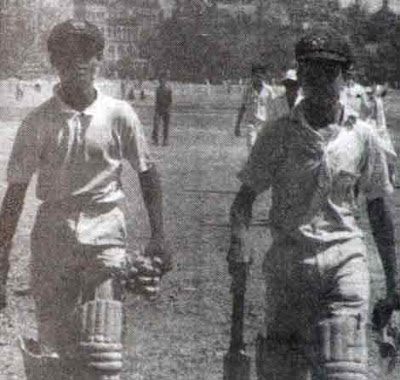
Sachin And Kambli Knocks 664 runs http://groups.yahoo.com/group/babes_in_blue/" rel="nofollow" target="_blank">Fun & Info @ Fropki.com


Sachin Tendulkar & Vinod Kambli's World Record Partnership Of Unbeaten 664 Runs During InterSchool Match Playing for Shardashram School


http://groups.yahoo.com/group/babes_in_blue/" rel="nofollow" target="_blank">Fun & Info @ Fropki.com


Sachin Tendulkar's first ever tv interview back in 1989


http://groups.yahoo.com/group/babes_in_blue/" rel="nofollow" target="_blank">Fun & Info @ Fropki.com
---------------------------------------------------------------http://groups.yahoo.com/group/babes_in_blue/" rel="nofollow" target="_blank">Fun & Info @ Fropki.com
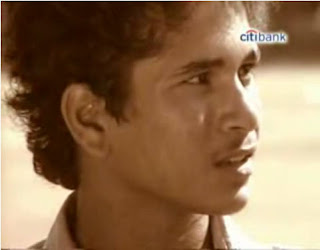
http://groups.yahoo.com/group/babes_in_blue/" rel="nofollow" target="_blank">Fun & Info @ Fropki.com

---------------------------------http://groups.yahoo.com/group/babes_in_blue/" rel="nofollow" target="_blank">Fun & Info @ Fropki.com
Young Tendulkar Batting
http://groups.yahoo.com/group/babes_in_blue/" rel="nofollow" target="_blank">Fun & Info @ Fropki.com
Tendulkar with School team
Fun & Info @ Fropki.com
Tendulkar with childhood friends
http://groups.yahoo.com/group/babes_in_blue/" rel="nofollow" target="_blank">Fun & Info @ Fropki.com
Sachin Tendulkar, 16, is selected for India's tour of Pakistan

http://groups.yahoo.com/group/babes_in_blue/" rel="nofollow" target="_blank">Fun & Info @ Fropki.com Young Sachin Bowling
http://groups.yahoo.com/group/babes_in_blue/" rel="nofollow" target="_blank">Fun & Info @ Fropki.com
Raising his bat
http://groups.yahoo.com/group/babes_in_blue/" rel="nofollow" target="_blank">Fun & Info @ Fropki.com
Attitude..

http://groups.yahoo.com/group/babes_in_blue/" rel="nofollow" target="_blank">Fun & Info @ Fropki.com
Coy..

http://groups.yahoo.com/group/babes_in_blue/" rel="nofollow" target="_blank">Fun & Info @ Fropki.com

He adds a century on home soil against England in Madras, and celebrates in style


Fun & Info @ Fropki.com
Sachin's debut match was against Pakistan in a test match on 1989. His one-day international (ODI) debut was on December 18 against Pakistan. His maiden ODI century came on September 9, 1994 against Australia in Sri Lanka at Colombo, just six years after his debut.


http://groups.yahoo.com/group/babes_in_blue/" rel="nofollow" target="_blank">Fun & Info @ Fropki.com

------------------------------------------------
http://groups.yahoo.com/group/babes_in_blue/" rel="nofollow" target="_blank">Fun & Info @ Fropki.com

------------------------------------------
Fun & Info @ Fropki.com

----------------------------------------
http://groups.yahoo.com/group/babes_in_blue/" rel="nofollow" target="_blank">Fun & Info @ Fropki.com
-------------------------------

http://groups.yahoo.com/group/babes_in_blue/" rel="nofollow" target="_blank">Fun & Info @ Fropki.com
-----------------------------------------------------------
http://groups.yahoo.com/group/babes_in_blue/" rel="nofollow" target="_blank">Fun & Info @ Fropki.com

-----------------------------------------------
http://groups.yahoo.com/group/babes_in_blue/" rel="nofollow" target="_blank">Fun & Info @ Fropki.com

--------------------------------

Fun & Info @ Fropki.com

On December 11, 1988, aged just 15 years and 232 days, Tendulkar scored 100 not out in his debut first-class match for Bombay against Gujarat, making him the youngest Indian to score a century on first-class debut.


http://groups.yahoo.com/group/babes_in_blue/" rel="nofollow" target="_blank">Fun & Info @ Fropki.com
--------------------------------------------------
http://groups.yahoo.com/group/babes_in_blue/" rel="nofollow" target="_blank">Fun & Info @ Fropki.com

----------------------------------------------
http://groups.yahoo.com/group/babes_in_blue/" rel="nofollow" target="_blank">Fun & Info @ Fropki.com


Sachin Family Photos
Family: Father - Ramesh Tendulkar, Mother - , Wife - Anjali Mehta, Daughter - Sarah, Son - Arjun, Brothers - Nitin & Ajit Tendulkar, Sister - Savita.


http://groups.yahoo.com/group/babes_in_blue/" rel="nofollow" target="_blank">Fun & Info @ Fropki.com


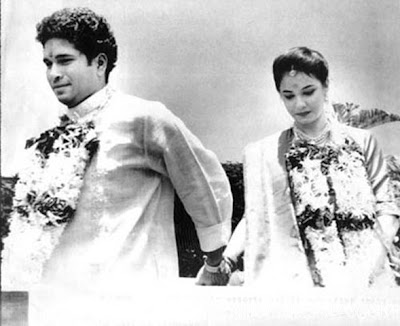
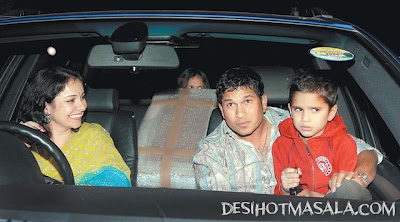
In 1995, Sachin Tendulkar married Anjali (born November 10, 1967), a paediatrician and daughter of Gujarati industrialist Anand Mehta. They have two children, Sara (born October 12, 1997), and Arjun (born September 24, 1999).


http://groups.yahoo.com/group/babes_in_blue/" rel="nofollow" target="_blank">Fun & Info @ Fropki.com
----------------------------

http://groups.yahoo.com/group/babes_in_blue/" rel="nofollow" target="_blank">Fun & Info @ Fropki.com
-------------------------
http://groups.yahoo.com/group/babes_in_blue/" rel="nofollow" target="_blank">Fun & Info @ Fropki.com
------------------------------------------------
http://groups.yahoo.com/group/babes_in_blue/" rel="nofollow" target="_blank">Fun & Info @ Fropki.com

--------------------------
Fun & Info @ Fropki.com

He narrowly missed out on becoming the then youngest Test centurion in Napier in February 1990, but Tendulkar finally gets it at 17 years and 112 days. A wonderful rearguard innings at Old Trafford in August 1990 still remains one of his best http://groups.yahoo.com/group/babes_in_blue/" rel="nofollow" target="_blank">Fun & Info @ Fropki.com

Tendulkar's first Test hundred in India also comes against England. He hits 24 fours and one six in his 165 in Madras(Chennai) as India go on to win by an innings and 22 runs

Fun & Info @ Fropki.com

A fine Nelson: In November 1992, Tendulkar's 111in the second Test against South Africain Johannesburg makes him the youngest batsman to reach 1000 Test runs. His century comes in a first-innings total of 227

http://groups.yahoo.com/group/babes_in_blue/" rel="nofollow" target="_blank">Fun & Info @ Fropki.com
Captaincy goes, but Tendulkar the run-machine is at its best in 1998. Two of his favourites - opponents Australia and venue Chennai - come together, and the bowlers pale into insignificance as his second-innings 155 turns a deficit into a match-winning total. Later, a certain Mr. Shane Warne suffers from nightmares

http://groups.yahoo.com/group/babes_in_blue/" rel="nofollow" target="_blank">Fun & Info @ Fropki.com


At the same ground in 1999, the first sign his body is suffering. In spite of a back injury, Tendulkar scores a masterful 136. India, though, fall short by 16 runs against Pakistan, and a poor fourth-innings record remains a blot in Tendulkar's CV


http://groups.yahoo.com/group/babes_in_blue/" rel="nofollow" target="_blank">Fun & Info @ Fropki.com
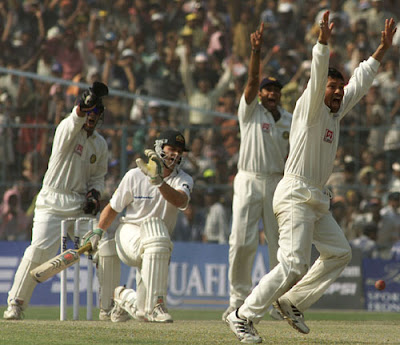

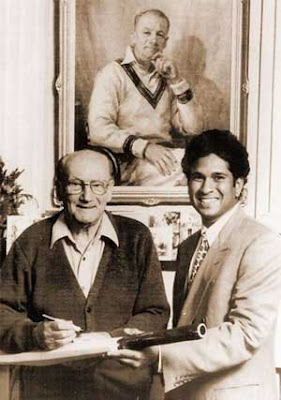
Even the Don takes note of Tendulkar's batting, and says the Indian batsman's style resembles him the most among those from the modern era. Tendulkar's tour of Australia in 1999-2000 - he's captain as well - is not in keeping with high expectations, with a few rough decisions coming his way

------------------------------------

http://groups.yahoo.com/group/babes_in_blue/" rel="nofollow" target="_blank">Fun & Info @ Fropki.com
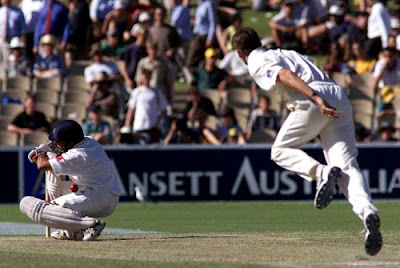
He yet tops the batting charts for India. India's hopes fade whenever he departs, and the captain cuts a lone figure as his team loses all three Tests. He steps down from captaincy during South Africa's visit in 2000
http://groups.yahoo.com/group/babes_in_blue/" rel="nofollow" target="_blank">Fun & Info @ Fropki.com
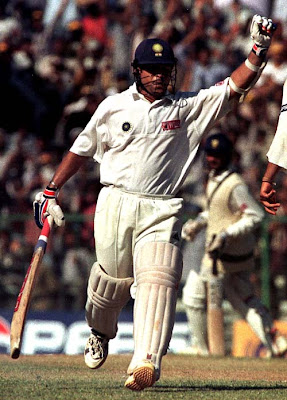

Tendulkar makes 10 in both innings, but he picks up three wickets in the Australia's second innings as India win the epic Test at Eden Gardens in 2001 to level the series


http://groups.yahoo.com/group/babes_in_blue/" rel="nofollow" target="_blank">Fun & Info @ Fropki.com


India and Tendulkar have an unsuccessful tour of New Zealand in 2002-03. The team begins the 2003 World Cup in South Africa under pressure; however, they make it to the final with Tendulkar the Player of the Tournament
http://groups.yahoo.com/group/babes_in_blue/" rel="nofollow" target="_blank">Fun & Info @ Fropki.com


A workmanlike innings in Sydney during the 2003-04 Australia tour helps Tendulkar to his first double-century overseas. His unbeaten scores of 241 and 60 - in Steve Waugh's farewell Test - almost results in a series win
http://groups.yahoo.com/group/babes_in_blue/" rel="nofollow" target="_blank">Fun & Info @ Fropki.com


Another 10,000: During his 52 against Pakistan in the Kolkata Test in 2005, Tendulkar becomes the first to score 10,000 runs in both Tests and ODIs
http://groups.yahoo.com/group/babes_in_blue/" rel="nofollow" target="_blank">Fun & Info @ Fropki.com


At home in Australia: The crowds are entertained as Tendulkar makes two hundreds in the four-Test series in 2007-08. India lose 2-1, but Tendulkar goes home a happy man, scoring 117 not out and 91 as India beat Australia in the finals to clinch the tri-nation one-day tournament


http://groups.yahoo.com/group/babes_in_blue/" rel="nofollow" target="_blank">Fun & Info @ Fropki.com

Playing a Test in Pakistan after nearly 15 years, Tendulkar scores an unbeaten 194 - a declaration denies him the double. However, it's Virender Sehwag - who developed with Tendulkar as a role model - who steals the show in Multan, becoming the first Indian triple-centurion


http://groups.yahoo.com/group/babes_in_blue/" rel="nofollow" target="_blank">Fun & Info @ Fropki.com

Captaincy comes calling, and Tendulkar leads India to a win in the one-off home Test against Australia to bag the newly instituted Border-Gavaskar Trophy, named after two players he would eventually join in the 10,000-run club

A special win: Tendulkar holds the trophy after India beat England 1-0 during their 2007 tour, his first series victory outside the subcontinent

Tuesday, February 15, 2011

मित्रांचा मित्र अनिरुद्ध
परमपूज्य अनिरुद्ध बापू (डॉक्टर अनिरुद्ध धै. जोशी) ह्यांचा दै. प्रत्यक्षमध्ये ५ नोव्हेंबर, २००६ (अनिरुद्ध पौर्णिमा) रोजी प्रकाशित झालेला अग्रलेख.

डॉ.अनिरुद्ध धै. जोशी.

जन्म :त्रिपुरारि पौर्णिमा, १८ नोव्हेंबर १९५६

पहाटे ४ वाजून ३५ मिनिटांनी.

माता : सौ. अरुंधती जोशी.

पिता : डाँ. धैर्यधर जोशी.

संगोपन : आजी - सौ. शकुंतला नरेंद्र पंडित.
(माहेरचे नाव - मालती गोपीनाथशास्त्री पाध्ये)

विशेष प्रभाव : माई - सौ. द्वारकाबाई गोपीनाथशास्त्री पाध्ये
(बापूंच्या पणजी)

शालेय शिक्षण : डाँ. शिरोडकर हायस्कूल-परळ-मुंबई
माँटेसरीपासून ते अकरावी एस. एस. सी. पर्यंत

एस. एस. सी. - इ. स. १९७२

वैद्यकीय शिक्षण : नायर हॉस्पिटल - मुंबई
(टोपीवाला राष्ट्रीय वैद्यकीय महाविद्यालय)

एम. बी. बी. एस. - इ. स. १९७८

एम. डी. (मेडिसीन) - इ. स. १९८२ .

मी असा आहे आणि मी तसा आहे - मी कसा आहे हे फक्त मलाच माहीत आहे. पण मी कसा नाही हे मात्र मला अजिबात माहीत नाही. मी कसा आहे? ते माझ्या त्या त्या स्थितीतील अस्तित्व असणाऱया त्या मानवावर अवलंबून नाही, त्या त्या परिस्थितीवरदेखिल अवलंबून नाही.

बाजूचा माणूस आणि परिस्थिती कशाही प्रकारची असो, मी मात्र तसाच असतो कारण मी सदैव वर्तमानकाळातच वावरतो आणि वास्तवाचे भान कधी सुटू देत नाही.

भूतकाळाची जाणीव व स्मृति वर्तमानकाळातील अधिकाधिक सभानतेपुरतीच आणि भविष्यकाळाचा वेध वर्तमानकाळात सावध होण्यापुरताच, ही माझी वृत्ती.

सत्य, प्रेम व आनंद ह्या तीन मूलाधार गुणांचा मी निःसीम चाहता आहे व म्हणूनच असत्य, द्वेष आणि दुःख ह्यांचा विरोध हा माझा नैसर्गिक गुणधर्म आहे;

ह्याचाच अर्थ, हे कार्यदेखील आपोआपच घडत असते. कारण जो स्व-भाव आहे तो आपोआपच कार्य करीत राहतो, त्यासाठी काही मुद्दामहून करावे लागत नाही.

प्रभुरामचंद्रांचा मर्यादायोग, भगवान श्रीकृष्णांचा निष्काम कर्मयोग आणि श्रीसाईनाथांचा मर्यादाधिष्टित भक्तियोग हे माझे आदर्श आहेत. मी स्थितप्रज्ञ नाही, मी प्रेमप्रज्ञ आहे.

माझी बांधीलकी 'वास्तवाशी' म्हणजेच स्थूल सत्याशी नसून, ज्याच्यात पावित्र्य उत्पन्न होते अशा मूलभूत सत्याशी आहे.

माझ्या मित्रांनो, पवित्रता व प्रेम ह्या दोन नाण्यांना मी विकला जातो, बाकी कुठलेही चलन मला विकत घेऊ शकणार नाही. खरं म्हणजे, ह्या अनिरुद्धाचा 'मी' फक्त तुमचा आहे, तो माझा कधीच नव्हता आणि कधीही नसेल.

------------------------------
------------

प.पू. सदगुरू श्री अनिरुद्ध बापूंना श्रद्धावानांकडून अपेक्षित असलेल्या नऊ गोष्टी

(अग्रलेख : दै. 'प्रत्यक्ष' दि. ३० ऑगस्ट २००९) :

कुणीही 'आम्ही सदगुरुंचे लाडके आहोत, विश्वासू आहोत, श्रेष्ठ साधक आहोत' अश्या प्रकारे मिरवत असेल, तर प्रत्येक श्रद्धावानाला त्या व्यक्तीचे वर्तन पारखण्याचा पूर्ण अधिकार आहे.

कुणी कुठल्याही अधिकारपदावर असेल व स्वत:स श्रेष्ठ साधक समजत असेल, तरीही त्याच्याकडे पुढील गोष्टी असणे अत्यावश्यक आहे, हा माझा ठाम सिद्धांत आहे.

१) आह्निक दररोज दोन वेळा करणे.

२) आह्निक, रामरक्षा, सदगुरूगायत्री(अनिरुद्ध-गायत्री मंत्र), सदगुरुचलिसा(अनिरुद्धचलीसा), हनुमानचालीसा व दत्तबावनी तोंडपाठ असणे व पुस्तकात न बघता म्हणता येणे. चार महिन्यांतून कमीत कमी एक रामनाम वही पूर्ण करणे व रामनाम बँकेत जमा करणे.

३) बरोबरच्या व हाताखालच्या सहका-यांशी उन्मत्तपणे व उद्धटपणे न वागणे. सहका-यांची किंवा हाताखालील व्यक्तींची चूक झाल्यास त्यांना जरूर त्याबद्दल ताकीद द्यावी परंतु अपमान करू नये.

४) उपासनांच्या वेळेस त्या स्थळी असणा-या प्रत्येकाने 'आपण उपासनांच्या वर आहोत किंवा आपल्यास उपासनांची आवश्यकता नाही' असे वर्तन करू नये.

५) बोलण्यापेक्षा, बडबडीपेक्षा कोण भक्ती व सेवेच्या कार्यक्रमात किती जीव ओतून सहभागी होतो हे माझ्या दॄष्टीने महत्वाचे आहे.

६) ह्या विश्वामध्ये कुणीही मानव 'आपण एकमेव अद्वितीय आहोत व आपली जागा दुसरा कुणीही घेऊ शकत नाही किंवा आपल्यासारखे कार्य करु शकत नाही' , असे म्हणू शकत नाही व असे कुणीही मानू नये.

७) श्रद्धावानांच्या नऊ समान निष्ठा त्याला मान्य असल्याच पाहिजेत व त्याच्या आचरणातही असल्याच पाहिजेत.

८) चूक झाल्यास चूक सुधारण्याची तयारी पाहिजे.

९) परपीडा कधीच करता कामा नये।

माझ्या लाडक्या श्रद्धावान मित्रांनो, आपल्यासमोर श्रीरामचरिताचाच आदर्श असला पाहिजे व त्यामुळे 'पावित्र्य हेच प्रमाण' ह्याच मूलभूत सिद्धांतानुसार प्रत्येकाचे आचरण असले पाहिजे व वरील नऊ गोष्टी ज्याच्याकडे नाहीत, तो माझ्या जवळचाच काय, परंतु दुरान्वयाने संबंध असणाराही असू शकत नाही, हा माझा ठाम निश्चय आहे.

तुमच्या हातात मी आज 'मला काय आवडते व काय आवडत नाही' ह्याचा निश्चित मापदंड दिलेला आहे व हे मापदंड वापरूनच माझ्याशी निगडित असणारे प्रत्येक कार्य व यंत्रणा राबविले गेले पाहिजेत.

मित्रांचा मित्र,

अनिरुद्ध .

Monday, February 14, 2011

14 th of Feb Most of us Known as Valentine Day.But on 14th February 1931 in LAHORE in the morning the legendary BHAGAT SINGH RAJGURU & SUKHDEO were hanged to death.we only celebrate Valentine Day .Lets share this message with everybody salute their sacrifice LETS BE AN INDIAN FIRST

Wednesday, January 26, 2011


Thumbs up AR Rahman nominated for Best Original Score and Song at Oscars


A R Rahman has been nominated for Best Original Score for Danny Boyle's 127 Hours. Rahman also received a nomination for Best Original Song for If I rise.

Saturday, January 22, 2011

Rare pics of Shirdi


Coins and articles given to Tarkhad family by Baba
Baba used this fan to blow air


Saturday, January 1, 2011

Please help if possible

One of our Volunteer Subhashsinh Sawant from Thane West Upasna Center is in Critical Condition,He is admitted in the ICU,daily requires 5 to 6 bottles of Blood, If Possible Pls be there for Blood Donation Address and Contact Person is Below

Add;-Jupiter Hospital,
ICU No - 17,2nd Floor
Naupada, Thane (W)

Donation time at Hospital - Morning 9 .00 to Evening 5.00
Contact - Chandrashekharsinh Kode - 9820402606

Friday, December 3, 2010

Aniruddha Bapu's Visit to Aurangabad...

Sadguru Shri Aniruddha Bapu is for the First time going to visit AURANGABAD, ON 12TH DECEMBER 2010.

Location :

MARATHWADA SANSKRITIK MANDAL
Aurangabad, India, 431001

Time : 5.45 PM Onwards, 12 December

Sunday, November 21, 2010

Happy Birthday Bapu

Warm Birthday Wishes from Pratyaksha2025 and all its followers and Fans to our Beloved Sadguru Shri Aniruddha Bapu

Wednesday, November 17, 2010

KARTIKI EKADASHI CELEBRATION


This is to inform that all the Shraddhavans that all would get the priviledge of offering Tulasi Patra on Trivikram at Shree Aniruddha Gurukshetram on the holy occassion of Kartiki Ekadashi on Wednesday, 17th November 2010.

The priviledge can be availed between 8:00 am - 8:00 pm

Sunday, November 14, 2010

Importance of Breakfast


Breakfast is considered as the most important meal of the day as it gives us the much needed energy after a night s sleep. But we often ignore it as we are in a hurry. Skipping breakfast often leads to poor concentration, irritability, low blood sugar levels and a high craving for food in midmorning or lunch. This results in overeating and weight gain. In fact it would be easier to control your weight by eating smaller meals and healthy snacks more frequently than skipping any meal.The rush hour of the morning, kids going off to school, adults running to work, the sufferer is the breakfast, often skipped, more often underrated. Breakfast should be a healthy, balanced, well rounded meal. If time is the constraint, some amount of preparing can be done in the night, to save on precious minutes in the morning. Cereals are a good idea for those who don t have the time or the energy to cook in the morning. Coupled with skimmed milk or juices, it takes care of energy, cereal goodness and all other nutrients too. In fact many ready to eat cereals are fortified with more vitamin and iron, and hence are more nutritious than any other food. To make sure that you are eating sensibly for breakfast, avoid too much sugar or caffeine preferably not more than one cup of coffee . A whole-wheat toast with eggs or low fat cheese with fresh juice or some other fruit, like a banana, and low fat milk can be a good breakfast. Eggs are an all time good idea for a healthy breakfast, more so if they are boiled or poached, hence less on oil. In India, there are variety of breakfast items available which are nutritious and provide the required amount of energy to sustain throughout the day. Breakfast foods differ from region to region. Some other options are given here- Idli and dosa made from rice and pulse, it gives good amount of energy and proteins and if had with Vegetable sambar, it contributes to vitamins and minerals. Upma there are varieties of upma prepared, most of them with semolina which is energy rich. However Upma prepared with broken wheat and vegetables is very nutritious because of its fiber content. Sandwiches prepared with vegetables/shredded chicken and brown bread is a complete breakfast food containing all the vital nutrients and of course fibre. For those people who are looking to lose weight, cheese or mayonnaise should be avoided. Bread omlet is a high protein breakfast food and very much recommended especially for children, atheletes and those who are looking to build muscles. However people with cholesterol or any heart problems should prepare the omlet only with egg white Oats with milk and fruits Oats is gaining lots of popularity these days owing to its high content of soluble fibre and its benefit in reducing cholesterol in the body. So oats with skimmed milk and fresh fruits are a very good option especially for those who are on a weight reduction diet. Stuffed parathas if prepared with less oil, parathas are very nutritious and an ideal breakfast item. The stuffing can be anything ranging from potatoes, raddish, cauliflower, sprouted green gram moong , paneer prepared from skimmed milk and so on. Corn/Rice/Wheat flakes Corn flakes are very popular breakfast item. Now a days you have variety of them availble in the market which is fortified with calcium/Iron or Vitamins. It is very nutritious when taken with skimmed milk and fresh fruits.

Transformation from Dr Aniruddha joshi to Aniruddha Bapu

An accomplished medical doctor, Mumbai-based Aniruddha Joshi is today revered by millions as the reincarnation of the Sai Baba of Shirdi. Credited with having performed many miracles, he nevertheless advocates a practical blend of spirituality and science


Digambara, Digambara, Shripad Vallabh Digambar…,” a bhajan plays on. It is 7.30 p.m. on a chilly December evening, as I wait in the compound of the New English School in Kherwadi, Bandra East, in Mumbai. People have filled the ground in front of an elaborately decorated stage; beyond, separated by a grill, the school’s lobby is packed to capacity. I am lucky to be here; many others have had to be accommodated inside the school building, and will only witness the evening’s proceedings courtesy close circuit television. Others have settled outside the compound walls, on the footpaths and in an open ground across the road, eyes glued to a big screen put up for their benefit.

Around 7.50 p.m., the excitement among the gathering is palpable. Suddenly, the blowing of a conch shell causes a stir in the crowd. All eyes expectantly turn towards the path leading to the gate. A whisper rings through the throng: “Bapu aale, Bapu aale”. A pair of turbaned, traditionally dressed musicians march stiffly blowing on tutaris (wind instrument), followed by a pair of similarly dressed sentries. Behind, walking briskly, casually waving to the crowd, in white shirt, black trousers, and leather chappals, is a fifty-something man, tall and athletic. The people in the audience bow in reverence, hands folded. He responds, arms raised in blessing. As the trademark drooping moustaches accentuate a friendly smile, his eyes twinkle; he seems to recognise many faces in the crowd, and greets some individually. For the lakhs of his devotees assembled here, he is Aniruddha Bapu, the reincarnation of the Sai Baba of Shirdi.

Born in 1956, Aniruddha Joshi studied at a school in Parel, before following in his father’s footsteps, by opting for medicine. A brilliant student and gold medallist, he gained his MD, specialising in rheumatology. A lecturer in Nair Hospital till 1985, he later started his private practice in Dadar and Parel, which he continued till 1998.

A married man with two children, Dr Joshi led a normal life, until around 1981, when he started studying ayurveda from Vaidya Antarkar and experienced a radical shift in his thinking. The doctor began to realise the superiority of this system of Indian medicine over allopathy. It also made him mull over what had gone wrong with the system. Why had ayurveda stopped progressing? Looking for answers, he had an insight into the role of spirituality in society. Social progress, he realised, was hindered as spiritual values ceased to be important.

But the transition from Dr Aniruddha Joshi to Aniruddha Bapu has an interesting story behind it. Before taking samadhi in 1918, the Sai Baba of Shirdi had given three of his personal belongings to Govind Raghunath Dabholkar (also known as Hemadpant), a close devotee of his, assuring him that he would return one day to claim these articles back. The articles, a shaligram (holy stone used in puja), a small trishul and a rosary passed on to Hemadpant’s son Gajanan Govind Dabholkar, who in his last days gave them to his son Govind Gajanan Dabholkar also known as Appa Dabholkar. This fact was, however, a closely guarded secret, known only to the family.

Sai Niwas, the ancestral home of the Dabholkars in Bandra, has always been associated with Sai Baba. The Sai puja, held here daily since 1911, draws hordes of devotees. Dr Joshi, himself a Sai bhakt, thus came first to Sai Niwas in 1993. Known then to the Dabholkars as an eminent doctor, he immediately made an impression on them by his modesty, his simple and joyful ways and his profound, yet lucid explanation of religious scriptures.

On May 27, 1996, Dr Joshi went to Sai Niwas, and asked for the articles belonging to Sai Baba. “We were stunned. We bowed in reverence as we saw him manifest in the form of Shirdi Sai Baba,” recalls Dabholkar, whose wife and children were also present to witness the event. However, they were asked to keep this encounter to themselves, till Bapu gave them permission to talk about it in 1998. “This was not the first occasion on which Bapu declared his divinity. It had been predicted to his great-grandfather that Lord Vitthala would take birth in his home and thus his family was always aware of his divine status,” maintains Dabholkar.

As word spread, believers started flocking around Aniruddha Bapu or Sadguru, as he came to be known. Today, lakhs of devotees in and outside Maharashtra and even abroad consider him to be the avatar of Mahavishnu. Nandamata, Bapu’s wife, is also worshipped as Laksmi Avatar. A former student of his, Dr Suchit Dada, is worshipped as Sheshnag avatar. Dr Dada’s clinic draws many patients seeking a cure and Bapu is supposed to work his miracles through him.

For various devotees from all walks of life, Aniruddha Bapu has proved to be a turning point in life. “It is as if a miracle has taken place in my life,” says Sandhyaveera Jaiker, who is actively involved with the movement. “I have been attending the pravachans (discourses) and taking an active part in the various socio-cultural activities. I have been exposed to a world beyond the four walls of my house. My life has taken such a turn for the better,” she exclaims.

For the Dabholkars, their devotion to Sai Baba had borne fruit. The Sadguru had once again entered the lives of the family in human form. “He is full of prem (love) and karuna (compassion) and forgives easily. He teaches that though men make mistakes, they can always be corrected. He remembers the name of every devotee he meets, even children, whom he especially loves. Not only humans, even animals are drawn towards him. Cows come to him when he calls them by name and when he talks to them they have tears in their eyes. Today we are privileged to experience God in the human form,” Dabholkar says.

Sadhanatai Upadhye retired as the head of the Marathi department in Wilson College. “When my husband died,” she recalls, “I had lost all hope. Confining myself in my house, I just used to read my books. Meeting Bapu helped me to open the windows of my heart, and I started attending his discourses and participating in his activities,” she says. “He has come to remove the decadence that has set in the world today. His manner of working is upgrading society through education and awareness. He works day and night for the people. When others see the work he is doing, they are also inspired to dedicate themselves to his service. Working for Aniruddha Bapu, I feel that I am working for society and the nation.”

In fact, Sadhanatai had been first graced with his darshan when, during her pregnancy in 1964, she used to visit the Vitthala Mandir in Wadala. There she once met a small boy with a happy smile, who gave her a peacock feather and touched her belly. A woman accompanying the boy remarked then that her baby had been blessed by Lord Vitthala himself. Years later, when he himself reminded her about the incident, she realised that the child was none other than eight-year-old Aniruddha himself.

Dabholkar has an interesting observation to make. “In the Sai Satcharita, Sai Baba has said that he would take rebirth when eight years of age. This refers to his age when the outside world would first experience his grace, just as Sadhanatai did,” he explains.

Dr Santosh Salagre, a lecturer in medicine, is also sure that Bapu has come to alleviate the ills of the world. “We see such a lot of the effects of Kaliyug today. I realised that just like Shri Ram and Shri Krishna (before him), Bapu too has taken birth to solve the problems of our world,” he says.

Dr Keshav Narsikar studied with Dr Joshi in Ruia College and later in Nair Medical College from 1972 till 1979. “He was exceptionally brilliant and could cite from any textbook, even giving cross-references off hand.
This is not possible even for an above-average student,” he recalls. “He was interested in dramatics and was famous for his excellent oratory and mimicry. Always cordial, he would go out of his way to help others. His entire outlook, even as a student, was very different,” reveals Dr Narsikar. Though clueless about Bapu’s spiritual credentials, he says: “I always respected him and found consolation in his company.” Today he has no doubt that his former classmate is indeed a Sadguru. “Thousands of people have experienced sudden transformation, some even after just one darshan. I have personally talked to many devotees and their experiences cannot be explained by material sciences,” he explains, adding that he makes it a point to regularly attend the evening discourses.

Filmmaker Shrabani Deodhar, though spiritual from a young age, “did not fancy the worship of human beings”. She went to Bapu’s programme out of curiosity while working on a TV serial about Shirdi Sai Baba. She says: “I am not from a background where I get carried away easily, but I was soothed and felt very strongly drawn to Bapu.” Suffering from health problems as a result of work pressure, she met Dr Suchit Dada at his clinic, who assured her that she would be completely cured. Thereafter she was privileged to have a personal meeting with Bapu, which she describes as an intense psychoanalytical session. “I had a lot of fear inside me, such as the fear of death that I was not even aware of. During the session all this came out as I learnt how to fight my fear-psychosis. And from there my life really took off. I feel he has come into our life in a big way. He is really our Sadguru,” she says. “The whole approach taught by him has made life so beautiful.”

However, Bapu himself has never claimed to be an avatar. In fact, he denies the new role thrust upon him, repeatedly pointing out that Sai Baba was a brahmachari, while he himself is a family man. In an interview with the Marathi weekly Lok Prabha, incidentally the first and only press interview that he agreed to, he explains the occurrence at Sai Niwas as a mere coincidence. “Being aware of the friendship between Sai Baba and Hemadpant, I had casually asked Appa Dabholkar if he had in his possession any articles given to his grandfather by Sai Baba.”

Whether an enlightened doctor preaching spiritual values or an avatar of Sai Baba, going by the phenomenal numbers that flock to his discourses held every Thursday evening, Mumbai has given itsheart to the Sadguru, who even dresses in the city’s own cosmopolitan garb.

One reason for this, according to Wing Commander (retd.) Ravindra Parasnis, is that Bapu, even before he came to be known as Sadguru, was a competent doctor with a reputation for curing many incurable conditions. Again, he has always been involved in social work and has successfully brought back people who had gone astray, such as drug addicts and alcoholics. “Also, as a guru he is great and gives practical and good advice,” he feels. Though personally not sure about his divinity as avatar of God, he says: “I definitely respect him as a guru. I have attended only a few of his pravachans, but I like what he preaches.”

Wing Commander Parasnis has a point. Instead of an abstruse philosophy that can be comprehended by few, Bapu’s teachings boil down to common sense, pure and simple. While teaching bhakti (the path of devotion), he stresses sincerity and awareness. “For naamsmaran (recitation of the name of God) any name will do, but it should be taken from the heart and with awareness,” he says. “If pressed for time, it is okay to perform puja without taking a bath, rather than not doing it at all,” he clarifies. Disapproving of those who renounce their domestic duties in the pursuit of God, he preaches that a few minutes spent daily thinking about God are sufficient.

Harking back, perhaps to his training as a doctor, Bapu strongly advocates an intelligent and scientific approach to life. This blend of spiritual wisdom and pragmatism especially appeals in today’s increasingly materialistic world with its fast-paced schedules and slackening spiritual mores, and perhaps explains the presence of a large number of youth among his devotees.

A crusader against superstition and blind faith since his medical days, another facet to Bapu is his role as a social reformer. He has often spoken about the need to eradicate social ills such as caste discrimination and the low status accorded to widows, even declaring that if Manusmriti (Manu’s laws) cannot benefit all it must be discarded. At Ramnavmi Mahotsavs organised by him, the puja is conducted by volunteers, including members of the lower castes. Widows, traditionally debarred from religious ceremonies, also take part in auspicious rites. “What Bapu preaches, he himself practises and even the last rites of his parents were conducted by volunteers from amongst his devotees,” confirms Sunil Mantri, a devotee.

Bapu exhorts his disciples to read Sai Satcharita, Sai Baba’s biography written by Hemadpant. To ensure the scientific study of this message of Sai Baba, he introduced the Panchasheel examinations: a set of five exams including practicals at the final level, held twice each year for which thousands of students appear. Dr Salagre refers to the exams as “milestones of my spiritual progress at each level”.

In 1999, Aniruddha Bapu established a gurukul at Juinagar, for the propagation of Ayurveda and Mudgal Vidya, the martial arts of ancient India. Also, the Govidyapeetham, established in Karjat, near Mumbai, aims to study the rearing and breeding of cows, combining modern veterinary science with ancient techniques.

For the establishment of ‘Ramrajya’ by year 2025, Bapu instituted the Aniruddha Samarpan Pathak and the Sadguru Shree Aniruddha Upasana Trust (SSAUT). Inspired by his words “Tu ani mi milun ashakya ase hya jagat kahihi nahi” (There is nothing that you and I together cannot achieve), volunteers involve themselves in social work including rehabilitation of leprosy patients, holding blood donation camps, working for the blind, running de-addiction centres and cleanliness and hygiene awareness. A welfare centre for earthquake victims opened in June 2001, in Kharoi village, Kutch, has a team of volunteers, including qualified medical professionals, administering treatment. As part of the rural development scheme, a few villages in Dhule, Maharashtra, have been adopted by the SSAUT.

“Bapu teaches us different responsibilities, including our social responsibility,” feels Mantri, himself a volunteer and member of the Aniruddha Samarpan Pathak. A unique ‘13-point programme’ (see box) was announced by Bapu on October 3, 2002. Its aim: to achieve ‘Samartha Bharat’, a strong and self-reliant India.

The discourse delivered, it is well past midnight as Bapu walks down the path leading to the gate. I had come here full of questions. Does God walk the earth as a man? Wear a shirt and pant? Go to medical college? I am still not sure I have the answers. But what the heck, I think. Heaven alone cannot lay claim to God. What about His work? People being taught the right path, rediscovering their spiritual selves. Volunteers committing themselves to the uplift of society. Youthful lives rescued from the clutches of drugs and alcohol. Needy students helped in their quest for education. The poor and the downtrodden given the chance of a better life. If there is God, then He is here. On earth, among us, wherever His work is done.

Wednesday, November 10, 2010

Physical Fitness Curbs Frequency and Severity of Colds, Study Finds

The US researchers base their findings on 1,000 adults up to the age of 85 whose respiratory health was tracked for 12 weeks during the autumn and winter of 2008.
Six out of 10 participants were women, and four out of 10 were aged between 18 and 39; 40% were middle aged, and one in four were aged 60 and older.
All the participants reported back on how frequently they took aerobic exercise and rated their fitness levels using a validated 10 point scoring system. They were also asked about lifestyle, diet and recent stressful events, as these can all affect immune system response.
The number of days with cold symptoms varied considerably between winter and autumn, with an average of 13 days in the winter and 8 days in the autumn.
Being older, male, and married, seemed to reduce the frequency of colds, but after taking account of other influential factors, the most significant factors were perceived fitness and the amount of exercise taken.
The number of days with symptoms among those who said they were physically active on five or more days of the week and felt fit was almost half (43% to 46% less) that of those who exercised on only one or fewer days of the week.
The severity of symptoms fell by 41% among those who felt the fittest and by 31% among those who were the most active.
In the US, an average adult can expect to have a cold two to four times a year, while children can catch between half a dozen and 10 colds a year, on average, all of which costs the US economy around $40 billion dollars.
Bouts of exercise spark a temporary rise in immune system cells circulating around the body, say the authors. Although these levels fall back within a few hours, each bout is likely to enhance surveillance of harmful viruses and bacteria, so reducing the number and severity of infections, such as the common cold.

Saturday, November 6, 2010

वरदचंडिका प्रसन्न उस्तव

मे महिन्याची सुट्टी आली की,लोकाना वेध लागतात ते गावी जायचे किवा ह्या सुट्टीत काय करायचे आणि त्यानुसार त्या त्या माणसांची प्लॅनिंग चालू होते. पण आम्हा बापू भक्ताना उस्तुक्ता लागून असते ती येणार्‍या मे महिन्यात आम्हाला आमचे परम पुज्य अनिरुद्ध बापू काय देणार आहेत त्याची आणि हो आम्हा बापूभक्ताना आमचे परम पुज्य अनिरुद्धा बापूच सगळ देत असतात आणि देणारही आहेत.
परम पुज्य अनिरुद्ध बापूनी मे महिन्यात वरदचंडिका प्रसन्न उस्तवाचे आयोजन केले आहे.
वरदचंडिका प्रसन्न उस्तव
तारीख:- 8 मे 2011 - 17 मे 2011 या 10 दिवसांच्या कालावधीत खालील address वर होईल.
स्थळ :- हरीगुरूग्राम,
आइस न्यू इंग्लीश सेकेंडरी स्कूल,
बान्द्रा ईस्ट, मुंबई .
वरदचंडिका प्रसन्न उस्तवात आपण काय करायचे, हा उस्तव आपल्या भूतकाळसाठी, भविष्यासाठी, धर्मासाठी, राष्ट्रासाठी आणि आपल्यातल्या चुकीचा मी निघण्यासाठी , आपल्या परम पुज्य अनिरुद्ध बापूनी, परम पुज्य नंदा आईने आणि परम पुज्य सुचित दादानी आणला आहे.
वरदचंडिका प्रसन्न उस्तवा संबंधी आणखी सविस्तर माहिती आपल्याला स्वतः परम
पुज्य अनिरुद्ध बापू देणार आहेत. या सबंधीचे प्रवचन खाली दिलेल्या दिवशी होणार आहे.

तारीख:- 21 October 2010
वेळ:- संध्याकाळी 7 - रात्री 10.
स्थळ:- हरीगुरूग्राम,
आइस न्यू इंग्लीश सेकेंडरी स्कूल,
बान्द्रा ईस्ट, मुंबई .

Friday, November 5, 2010

History Of Diwali

One of the most joyful and beautiful festivals to be celebrated on the Indian subcontinent is Diwali, the festival of lights.  The very word Diwali conjures up the image of winking lights and flickering diyas. Not to forget the gorgeous array of sparkling colours emitted by the firecrackers that seem to awaken the night sky
Coming close on the heels of Dussehra, Diwali is celebrated on the last day of the Gujarati calendar year, and generally comes in the months of October or November, on the English calendar. It is one of the most important Indian festivals and is celebrated on a mass scale by Indians not only in India, but also all over the world.  
  
The Story Behind Diwali 
It is believed that on this day Lord Rama, along with his consort Sita and loyal brother Lakshman was returning to his hometown Ayodhya after 14 long years of exile in the forest. He had just finished battling and overcoming the fierce demon king of Ceylon, Ravana, who had abducted Sita. In this battle he was ably helped by Lord Hanuman and his army of monkeys as well as an army of courageous bears. 
The people of Ayodhya lit lamps in every home to welcome their true King as well as celebrate his victory over Ravana and also the safe return of their Queen Sita. They danced and made merry and lit firecrackers to express their joy over his return. And as a mark of respect and worship the festivities continue every year till this today.  
As another lesser-known story goes, Lord Krishna had battled a demon called Narakasura and emerged victorious. The people of the city were overjoyed and welcomed Krishna back with lamps in their hands. 
Since Rama and Krishna are two of the most popular gods in the Hindu lore, it is only logical that Diwali is celebrated with such pomp and glory.  
  
How is Diwali Celebrated? 
According to an ancient myth, Lakshmi, the goddess of wealth travels through all our homes on Diwali night and stops to bless the homes that are shiny and sparkling clean. So as this festival approaches, all houses go through a thorough spring-cleaning in anticipation of her wealth and blessings. She will be greeted by a beautiful gaily painted Rangoli on the threshold of each home while inside too she is welcomed by an array of sparklers and little earthen lamps that light up and considerably brighten the atmosphere.   
The actual festivities start from Dhanteras, which is celebrated two days before Diwali. Everybody goes out of their way to make big purchases and buy new clothes and jewellery. This is because this day is considered auspicious for wealth, and it is said that if you buy any silver or gold on this day, you will be lucky throughout the year. The goddess Lakshmi is worshipped on this day through a Lakshmipujan, which is performed not only in the homes but in shops and offices as well.  
But what would Diwali be without a burst of firecrackers and lights? The sound and light show starts at least a week prior to the actual festival and continues way into the New Year. Of course it reaches a crescendo on the day of Diwali itself, a day when people dress up in their best new clothes and go visiting each other, their relatives and friends with boxes of dry fruits and sweets and loads of love in their huge generous hearts

Deepwali Celebrations

The festival of Diwali (also called as Deepavali) epitomizes prosperity, happiness and lights. This is the only day in the entire Hindu calendar when a new moon day is celebrated as a festival. On the day of Diwali though the sky is devoid of moon and its light but still the entire atmosphere is always enlighten and filled with lights of different colours and shades and filled with joy, crackers and sweet smell of foodstuffs.

Our P. P. Nandai is the Goddess that precides over this entire festival inform of Goddess Mahalaxmi. She has described to us the ways in which we should perform poojan on days of Padwa and Laxmi Poojan to make them more sactious and meaning. 
Poojan to be Performed on the Day of Padwa

Shraddhavans should get up early in the morning and in the wee hours should perform the below described ritual.


* We should clean our house with broom and collect the waste on a cardboard.


* After this we should enlighten a light made from dough in which we should use ghee as fuel.


*We should then place a sweet (foodstuff) on the cardboard.


* We should then take this cardboard (with all the stuffs on it) around our entire house.


* One person should follow this person who is carrying cardboard with a plate which should be beaten to produce sound.


* We should place our old broom outside our house in a corner.


* We should then place this cardboard besides this broom.


* We should then join our hands and pray saying the following words "ईडा, पीडा टलो, बळीचे राज्ययेवो" ("Let all the unholy come to end and let there be rule of King Bali").

Poojan to be Performed on the Day of Laxmi Poojan
* We should keep 5 fruits & a mixture of coriander seeds and jaggery as holy offering (
Prasad).

* We should keep a new broom on the starting line of our house (उंबरठा) and offer kumkum and turmeric powder (haldi) to it  and offer the following prayer " हे लक्ष्मीमाते - नंदामाते, तू नेहमी माझ्या चुका दाखव. आईच्या मायेने माझ्या अंगावरून हात फिरव. बहिणीसारखे वाटेतील काटे काढ, पापणिच्या केसासारखा माझ्या मनातील व घरातील कचरा काढ आणि माझ्या घरात नंदामाते मते तू सतत वावरत रहा ही तुझ्या चरणी प्रार्थना." ("Oh Goddess Lakshmi i.e. my P. P. Nandai, You always bring my mistakes to my notice. Shower love on me like my mother. Be my sister and remove obstacles in my way. Remove dirt from my house and mind like an eyelid. And finally I pray and urge You to stay in my house for ever").


Finally wishing all the readers a very happy and prosperous new year and a happy diwali. May P.P. Bapu, P.P. Nandai and P.P. Suchitmama bless you all. 
One interesting fact about Diwali which not many of us know about is Diwali is an official holiday in 9 countries which includes India, Guyana, Mauritius, Malaysia, Nepal, Singapore, Sri Lanka, 
Trinidad & Tobago, Myanmar, Fiji, and Suriname).

Wednesday, November 3, 2010

Shree Dhanalaxmi Utsav - Shree Yantra Pujan 2010


This is to inform all the bhaktas that the celebrations for Shree Dhanalaxmi Utsav - Shree Yantra Pujan 2010, will be celebrated on this Wednesday by Sadguru Aniruddha Upasana Foundation.

Date of Festival:
3rd November 2010

Timings of Festival:
From 9.00 am to 9.00 pm

Venue for Festival:
New English School,
(Shree Hari Guru Gram),
Bandra (East),
Mumbai 400 051.

Bhaktas are requested to carry the Shree Yantra that is installed at their homes, for it to be recharged (perform pujan) at the festival venue.Over the years Param Poojya Aniruddha Bapu, Param Poojya Nandai, Param Poojya Suchitdada along with Poojya Samirdada have graced and blessed this occasion by being personally present at the festival. Darshan facility would also be extended to all the bhaktas who would be present.

Background of Shree Yantra:


The first Shree Yantra was commissioned at Shree Kshetra Gurukul (Juinagar). The image of Shree Yantra has been placed for the benefit and darshan of the devotees over there. This Yantra was initially worshipped for 33 days at Shree Kshetra Gurukul (Juinagar).

Shree Yantra signifies the primeval energy of this universe, the Shri Shakti. The next five generations of the person taking this Shree Yantra home will receive blessings and fruits of this action. We must recognize the importance and presence of this Shree Yantra and this has been gifted to all the bhaktas and will help them right till the end of life. Every year on the day of Dhanteras (Dhanalaxmi Pujan) it is worshipped and prayed. The presence of Shri Mahalaxmi Mata (Chida-Nanda) in each devotees' house is in certainty with the installation this Shri Yantra.

Donation of Diwali Pharal:
Further, devotees can donate Diwali Pharal (snacks prepared for Diwali viz., chivada, chakli, sev, kadboli, ladoo, karanji, kanola, shankarpali, anarsa, etc) at the special counter set up by Shree Aniruddha Upasana Foundation at Shree Hari Guru Gram during the celebrations of this festival. This collected Pharal is then distributed for free to all needy and poor fellow citizens. Bhaktas should note that the Pharal will accepted only on Dhanlaxmi Poojan day.

The celebrations culminate with a grand ceremony of Maha-Aarti which is worth attending

Sunday, October 24, 2010

Excersises you can perform sitting on your Desk

AADM update from http://mihirnagarkar.blogpsot.com


It takes me a pleasure to bring to notice of all the readers that Aniruddha's Academy of Disaster Management has recently completed training of close to 500 DMVs (Disaster Management Volunteers) from its various local branch centres (Upasana Centre). I felt extremely privileged to be selected for this training. All the DMVs have been thoroughly trained both theoretically and practically during the practice sessions. The entire programme was supported by Cinemax India Ltd. who are pioneers as cinema exhibitors in India, which provided its facilities to DMVs to be trained practically. The training programme was overseen by Respected Swapnilsinh Dattopadhye and conducted by Shri. Pramodsinh Angre, an ex-serviceman who has worked for Indian Navy in Submarine Fire Safety Cadre.

Following are the points that were covered in the theoretical training session. It will help you with all the details all wanted to know about Fire Extinguishers and Fire Fighting:

There are 7 basic points to be learnt in fire fighting:

1) Causes of Fire

2) Basic Chemistry of Fire

3) Classes of Fire

4) Types of Fire Extinguishers

5) Safety Methods of Fire Extinguishing Operations

6) Fire Alarm Systems

7) Evacuation


1) Lets first see the Causes of Fire:
Fire is mainly caused due to three factors

i) Negligence
ii) Carelessness
iii) Sabotage

2) Next lets see Basic Chemistry of FireIn this section we will see what it takes for fire to ignite, sustain and rage. Fire depends on 3 factors for it ignite, sustain and rage

i) Buring Material OR Fuel
ii) Oxygen (Air)
iii) Heat (Temperature above 59°C)
These three factors are feature in fire triangle. If any side of this equilateral triangle in broken and taken away i.e. if we take away anyone of these factors from fire then it will not sustain and hence won't rage.

3) Classes of Fire
Fire is classified in 5 categories

i)
Class 'A': Solid Fire
This fire results from burning of any solid object like furniture, paper, upholstery, wood, etc.

ii)
Class 'B': Liquid Fire
This fire results from burning of liquids like oil, turpentine, spirit, oil paint, alcohol, petrol, diesel, kerosene, etc.

iii) Class 'C': Gas Fire
This fire is sub-divided in further in 2 major sub-categories
a) LPG (Liquefied Petroleum Gas) Fire
b) CNG (Compressed Natural Gas) Fire

a) LPG Fire
The fire which erupts because of LPG  generally referred as Cooking Gas  used in most of the kitchens these days. LPG has Propane (Sulphur content) and Butane (Lead content) added to composition that makes CNG and hence LPG is more dangerous that CNG. Also addition of propane and butane makes LPG gas heavier and hence unlike CNG which escapes through air LPG stay near ground level.

LPG cylinders blast only when empty or partially filled as it gives room for pressure to increase (which may be because of heat).

Precautions to be Taken:
i) In case regulator on top of the cylinder catches fire then we should put water on cylinder not the regulator as putting water on cylinder would control the temperature from rising. This way the fire would gradually stop when the burning material is exhausted without the spreading of fire.

ii) We should put thick wet cloth on regulatory so that fire will be suffocated of oxygen and this will also keep temperature under control.

iii) We should avoid crowding of things around the cylinder in general where we store our cylinder.

iv) We should also take care that that we are not storing any items above our gas stove / cooking range. This care is to be taken as this will avoid our clothes (especially loose and long clothes like chunnis and dupattas) from catching fire unknowingly.

v) We should avoid serving food while it is on stove / cooking range. This care is to be taken as while serving the food may fall on on the rubber pipes that carry cooking gas from cylinder to stove / cooking range. The dropped food attracts rats and other rodents which can damage these pipes by their nibbling which may result in gas leak and ultimately fire.

vi) Daily we should turn-off regulator of the gas before going to sleep so as to avoid accidental gas leakage.

vii) We should strictly avoid any kind of usage of electric appliances if we smell LPG gas leak as the spark that is generated everytime we switch-on electric appliances is enough to cause a huge explosion which can rip apart atleast 4 - 5 flats on your floor along with our own house.

viii) We should open doors, windows and curtains of our house to allow the gas to escape easily.

ix) We should strictly avoid opening of refrigerators in our houses.

x) We should immediately turn-off Electrical Mains of our house.

xi) We should also inform our neighbours about the gas leak immediately so that the above precautions can also be taken by them.

v) Class 'D': Metallic OR Industrial Fire
This fire results from burning of components used in industries like potassium, magnesium, zinc, sodium, etc.

v) Class 'E': Electric Fire
This fire results from electrical short-circuits.

Precautions to be Taken:
i) Always use a 3 plug pin as this pin has earthing in it.

ii) Insulation tapes which are used in sealing the electrical wires have a life of only 6 months which may be maximum used for 9 months. Hence we should take care to replace these tapes regularly as and when then expiry date in reached.

iii) We should use Earth Leakage Circuit Breaker. (For more details about this devices refer this link: http://en.wikipedia.org/wiki/Earth_leakage_circuit_breaker OR http://www.ehow.com/how-does_5017259_earth-leakage-circuit-breakers-work.html

iv) We can also use Main Circuit Breaker (For more details about this devices refer this link::  http://electrical.about.com/od/panelsdistribution/a/mainbreakers.htm) in place of Earth Leakage Circuit Breaker but Main Circuit Breaker is expensive than arth Leakage Circuit Breaker and hence not preferred. Though technically it is more safer.

v) We should avoid using all the heavy appliances in our house like washing machines, geysers, heaters, air-conditioners, etc. together so as to avoid over loading.
The fact that most of the people are unaware about is that victims that get killed in fire incidences are not because of fire directly but because of suffocation arising out of Carbon Monoxide emission from burning material.


4) Types of Fire Extinguishers

As like fire, fire extinguishers are also classified in 5 categories respective to the fires.

We should take utmost care that a particular class fire extinguisher is used only for the corresponding class of fire. Inter  (wrong) usage of the extinguisher may result in major accident which in few cases can be fatal or cause disability.

The type of fire extinguisher is always mentioned on the container.
i) Class 'A' Fire Extinguishers: For Solid Fire


These are used in cases of solid fire (resulting from burning of any solid object like furniture, paper, upholstery, wood, etc.)

The extinguisher cylinder contains 9 litres of water which is sprayed on fire with pressure-driven force. It has a CO2 or Carbon Dioxide cartridge at the mouth of the cylinder to build pressure for spraying of water with force.

We should change water in this cylinder every 3 months which prevents the water from corroding.

We should not keep this (Class A Fire Extinguisher) near electric boards and in kitchens as under panic it may be used in cases of fire which may result in accident because of wrong use. These are generally used stores and warehouses.

This extinguisher cannot be reused as it exhausts all the contents in it once it is opened at one go.


ii)
Class 'BC' Fire Extinguishers: For Solid, Liquid, Metallic and Electric Fire


These are called Dry Chemical Powder (DCP) Fire Extinguishers.

These are used in cases of  liquid and gas. This fire results from burning of liquids like oil, turpentine, spirit, oil paint, alcohol, petrol, diesel, kerosene, etc. or Gas fires. It can also be used in cases of solid fires but only in case the burning object is heavy in nature e.g. furniture (It should not be used on in case the burning material is light weighted like paper, cloth etc).

This fire extinguisher is composed of Potassium Bicarbonate or Sodium Phosphate.

The powder which is sprayed through this extinguisher has leaves and sticky trail behind which is not washable and hence is generally not used on electrical appliances as it causes renders the appliances useless. It has a CO2 or Carbon Dioxide cartridge at the mouth of the cylinder to build pressure for spraying  of powder with force.

This extinguisher can be reused as it doesn't exhaust all the contents in it once it is opened i.e its flow can be stopped once the fire is doused.

We should avoid using DCP extinguisher at place where we store food items or in kitchen as t may lead  to food wastage. In these situations CO2 extinguisher is preferred.

iii) Class 'ABC' Fire Extinguishers: For Solid, Liquid and Gas Fire

These are used in cases of solid fire (resulting from burning of any solid object like furniture, paper, upholstery, wood, etc.) or burning of liquids like oil, turpentine, spirit, oil paint, alcohol, petrol, diesel, kerosene, etc. or Gas fires or even in case of metallic fires (fire resulting from burning of components used in industries like potassium, magnesium, zinc, sodium, etc.) or electric fires.

It is composed of Mono-Ammonium Phosphate or Map 90. It has a pressure gauge at the very top of the cylinder which should be periodically calibrated and its pressure pointer should always be seen in the green range of the meter. As like the once we have seen earlier this extinguisher contains Pressure Gauge rather than cartridge for building pressure to spray with force. The pressure indicated by the pressure gauge would be proportional to the powder contained in the extinguisher.

This extinguisher can be reused as it doesn't exhaust all the contents in it once it is opened i.e its flow can be stopped once the fire is doused.

We should always tie a handkerchief on our mouth while using this extinguishers as it may cause throat irritation or in few cases choking.

iv) CO2 Fire Extinguishers: For Solid, Liquid, Gas, Metallic and Electric Fire:

 This fire extinguisher is charged and filled with CO2 (Carbon Dioxide) at -17°C. At such low temperature the gas when inside the cylinder is in solid state.

The most important care the handler has to take while using this extinguisher is to hold the extinguisher only by its grip-pins. As the temperature is so low the when we actually use the extinguisher and in case if we place our hand at any other area other than grip-pins we would end up suffering from Cold Burn which would permanently disable our hand as it would have to be operated upon. This may happen even if we hold the extinguisher at wrong area for 6 - 7 seconds. To avoid this problem handler may use gloves but it is not a practical solution considering the spontaneity with which any fire mishap strikes.

We should avoid using DCP extinguisher at place where we store food items or in kitchen as t may lead  to food wastage. In these situations CO2 extinguisher is preferred.

 iv) HCFC (Hydro Chloro Fluoro Carbon) Fire Extinguishers: For Solid, Liquid, Gas, Metallic and Electric Fire (All Fires)


This fire extinguisher is also called Clean Agent. It can be used on any type of fire. It also as very vey high shelf life period i.e. it needs refilling in only once in 5 years. But the major problem about this fire extinguisher is its cost. a 2 kgs extinguisher costs around INR 15, 000/- which is very high and hence this extinguisher is seldom used.


Types of Fire Sprinklers


A fire sprinkler is the part of a fire sprinkler system that discharges water when the effects of a fire have been detected, such as when a predetermined temperature has been reached. To know more about fire sprinklers please click on the following link: (http://en.wikipedia.org/wiki/Fire_sprinkler)

There are 5-6 main types of fire sprinklers which are known by the colour of their glass bulbs. Every sprinklers has a different temperature at which they discharge water. Following are the details of it:


a) Red Color - 68 °C
b) Pink Color - 57 °C
c) Purple Color - 98 °C

d) Dark Blue Color - 138 °C
e) Black - 350 °C

Smoke Detectors

A smoke detector is a device that detects smoke, typically as an indicator of fire. Commercial, industrial, and mass residential devices issue a signal to a fire alarm system, while household detectors, known as smoke alarms, generally issue a local audible and/or visual alarm from the detector itself. To know more about smoke detectors please click on the following link: (http://en.wikipedia.org/wiki/Smoke_detector).

Smoke detectors run on supply of 24 volts and are connected to central control panel. When they detect any fumes or smoke they raise a loud alarm. Hence to silence them there is a silent switch. They detect any fumes or smoke in the radius of 3 meters. A functional smoke detector always continuously blinks.

Heat Detectors

A heat detector is a fire alarm device designed to respond when the convected thermal energy of a fire increases the temperature of a heat sensitive element. The thermal mass and conductivity of the element regulate the rate flow of heat into the element. All heat detectors have this thermal lag. Heat detectors have two main classifications of operation, "rate-of-rise" and "fixed temperature." To know more about heat detectors please click on the following link: (http://en.wikipedia.org/wiki/Heat_detector)

These are generally used in kitchen or pantries. They can sense heat in the range of 3 - 3.5 meters. This is connected to fire panel with hooter.

7) Evacuation

Evacuation is the final and the most important part of fire fighting. It involves relocating people who are stuck because of fire and are already affected or may get affect in near future.

The most important thing that we have to keep in mind is to avoid using lift when we are evacuating ourselves or others because when the fire brigade personnel arrive they first disconnect the mains and hence there is a grave danger of we getting trapped in lift. But we can use escalators, The evacuation should be carried out taking the charting of escape routes of any place into consideration. As far as possible we should alaways prefer crawling in cases of accumulation of condensed smoke.

But the single most important aspect of evacuation is to assure people that you are with them till the end and that all would be out of this problem, safely i.e. installing confidence in the masses  and assuring them of your help and involvement till the end.
The fact that most of the people are unaware about is that victims that get killed in fire incidences are not because of fire directly but because of suffocation arising out of Carbon Monoxide emission from burning material.

All the DMVs were also trained practically on use of fire hose at various locations of Cinemax.


A fire hose is a high-pressure hose used to carry water or other fire retardant (such as foam) to a fire to extinguish it. Outdoors, it is attached either to a fire engine or a fire hydrant. Indoors, it can be permanently attached to a building's standpipe or plumbing system. It was invented by Hero of Alexandria in the basis of Ctesibius' double action piston pump. To know more about fire hose please click on the following link: (http://en.wikipedia.org/wiki/Fire_hose)

Sunday, October 17, 2010

Thursday, September 30, 2010

No Pravachan today

No Pravchan today
 
Visitor Number
Blog launched on 3rd December 2008